During the development of Quake 2 at id Software, the team prioritized action and technology over narrative. American McGee has recalled the exact moment when Valve, using the same graphics engine, demonstrated that a cinematic story could be told. Upon seeing a scene with moving characters, an operating crane, and multiple cameras, McGee was left breathless, realizing that his colleagues did not consider these narrative elements essential.
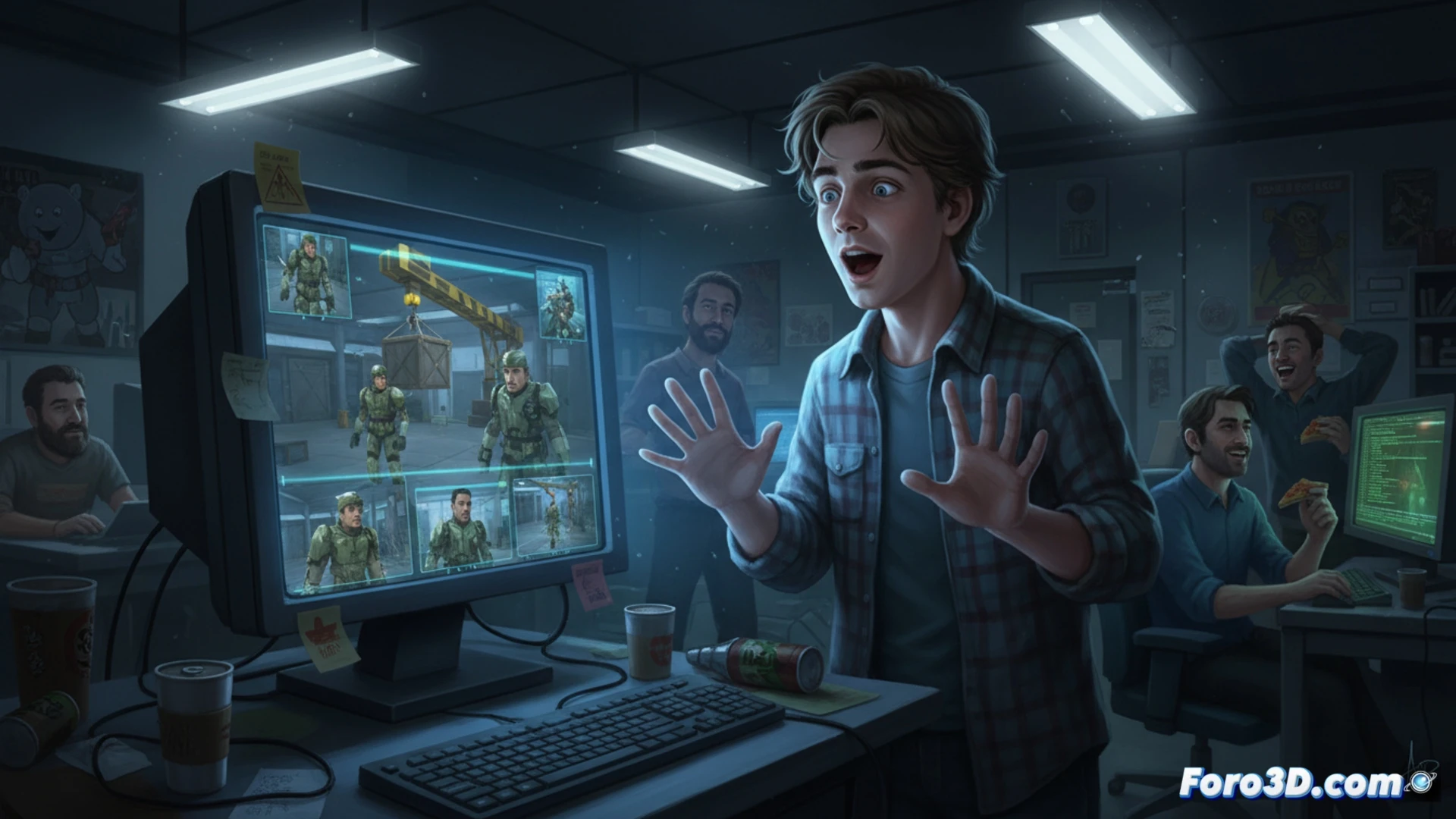
An action engine turned into a scripting tool 🎬
id Software's engine was designed to render hallways and monsters at high speed. Valve, on the other hand, used it to orchestrate shots with virtual cranes and interacting characters. While at id they discussed frame rates and polygons, Valve demonstrated that the same code could convey emotions. McGee pointed out that the difference was not technical, but one of vision: using tools to create context, not just to shoot.
The crane that moved more than boxes 🏗️
Seeing a virtual crane operating with precision while McGee's colleagues debated the rate of fire of a machine gun must have been a spectacle. At id Software, a crane was used to lift an enemy's corpse; at Valve, that same crane lifted the narrative to the sky. McGee understood that the engine had no limits, only programmers who preferred to see heads explode rather than move a piece of scenery.