Chancellor Friedrich Merz has stirred up a hornet's nest by stating that the German public pension will only be a basic supplement in the future. Faced with an aging population, he proposes strengthening private and occupational plans linked to the stock market. Minister Bärbel Bas criticizes that these statements cast doubt on the sufficiency of the current system.
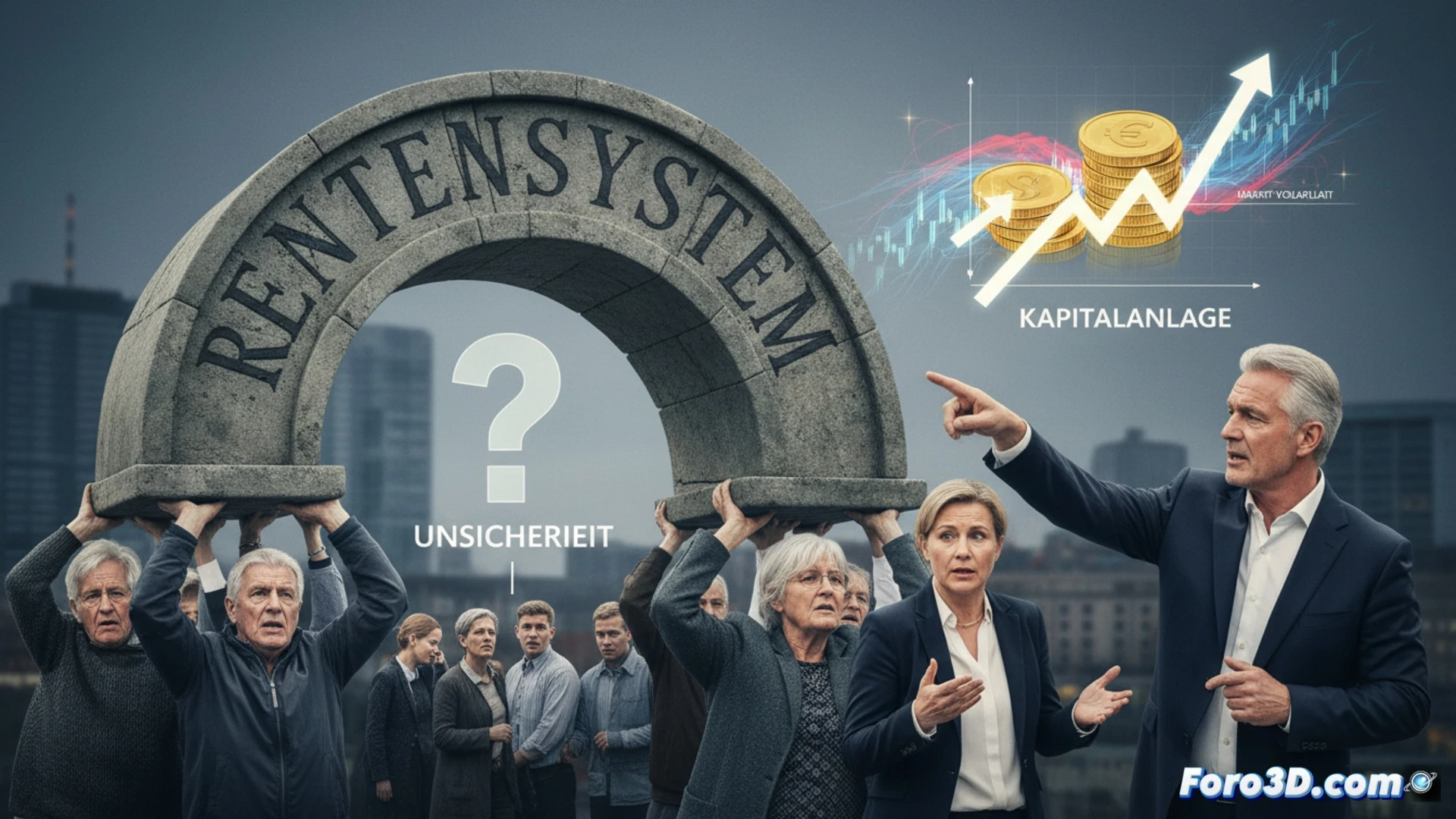
Stock market capitalization: risk as the pillar of retirement 📈
Merz's model is based on individual capitalization accounts, where workers invest their contributions in index funds. This would mean relying on equities for decades, with fluctuations affecting the final value. Although countries like Sweden or Australia use mixed systems, the volatility of the German DAX does not guarantee stability. Critics point out that a crisis before retirement could drastically reduce accumulated savings.
The Merz plan: save for retirement and buy anxiety meds 😅
The proposal sounds great until you imagine a retiree checking their pension fund while the DAX drops 5%. Merz promises us that the market always rises in the long term, but forgets that retirement doesn't wait for the stock market to recover. In the end, the system could be called a pension plan with strong emotions: if you win, you celebrate; if you lose, you go back to work. And Minister Bas, meanwhile, is asking for calm.