研究显示政治愤怒感集中于胸部和手臂

发布于 2026年05月24日 | 从西班牙语翻译

一项最新研究揭示,政治性愤怒与日常愤怒在身体激活方式上存在差异。日常愤怒会引发全身性激活,而政治愤怒则会导致局部且强烈的身体反应,例如胸闷或手臂紧张。研究人员通过测量参与者在接触政治与非政治刺激时的反应,区分了不同的身体模式。
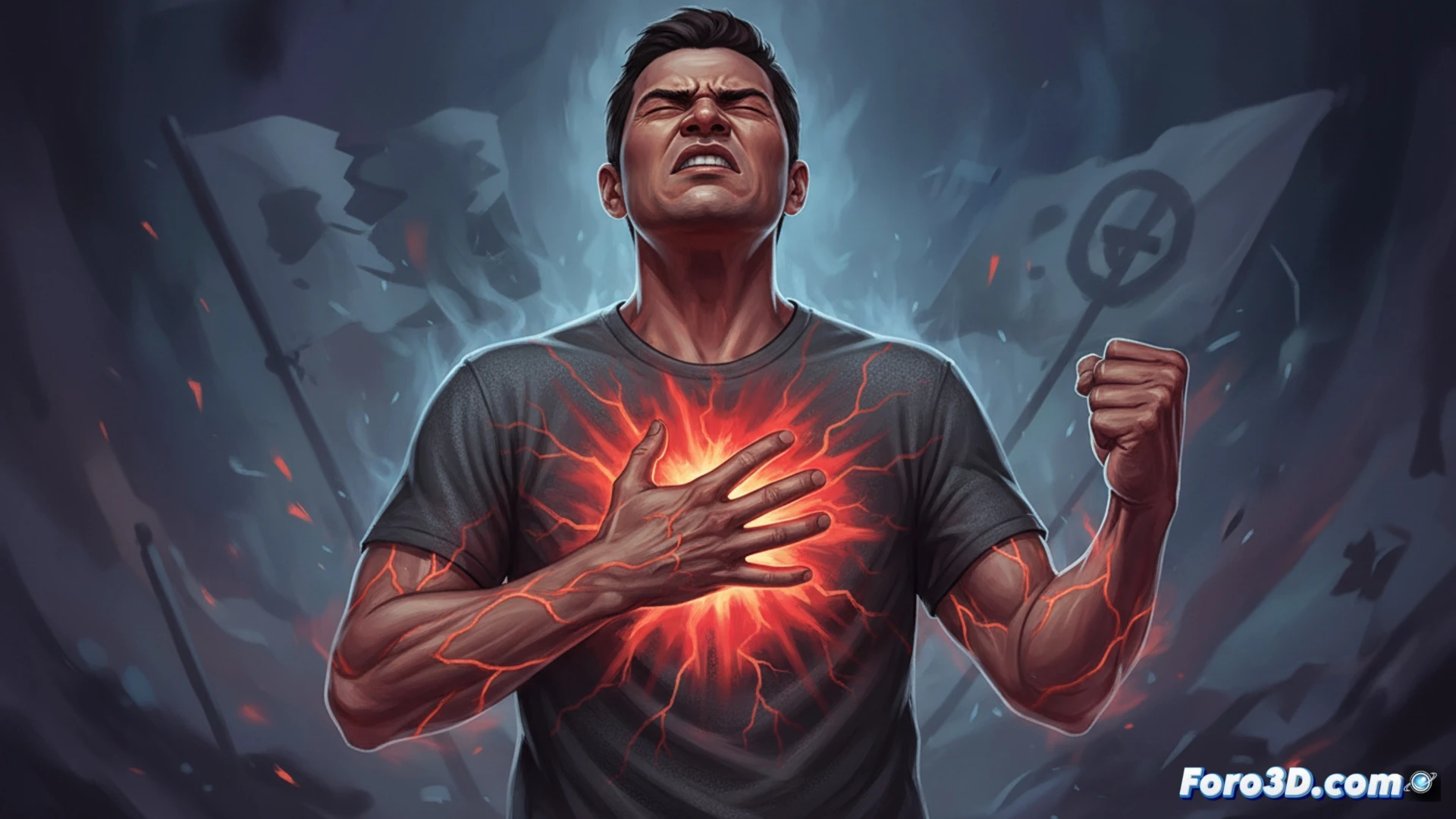
photorealistic medical visualization showing a human torso with glowing red heat maps concentrated in the chest and forearms, electrodes attached to skin measuring physiological responses, a participant watching a polarized political debate on screen while a researcher monitors a laptop displaying real-time biometric graphs, clinical laboratory setting with dim blue ambient light, tense facial expression, arm muscles visibly contracted, stress indicators on monitor, dramatic chiaroscuro lighting highlighting localized body tension, ultra-detailed anatomical structures, cinematic technical illustration

身体传感器与算法测量政治愤怒 🤖

为了检测这些差异,研究团队使用了肌电图传感器和心率监测器。数据通过机器学习算法处理,识别出肌肉激活模式和心率变异性的变化。结果显示,政治刺激会引发更集中于躯干和手臂的反应,产生无法在普通或中性刺激下复现的紧张峰值。该模型的准确率达到了78%

下次辩论时,记得戴上脉搏监测器 ⌚

所以,如果你在家庭聚餐时感到胸闷、手臂紧绷,那可不是火鸡没烤熟,而是你的连襟刚刚抛出了他最喜欢的政治理论。研究人员认为,这种身体模式可用于在激烈辩论爆发前进行检测。或者更实用的是,知道何时该躲进洗手间。