DDT en huevos de aves: la herencia química del campo español

发布于 2026年06月27日 | 从西班牙语翻译

科尔多瓦大学在14种野生鸟类的蛋中检测到了被禁用的农药,如滴滴涕(DDT),其中包括胡兀鹫和鸢。分析还揭示了重金属和药物的残留,表明农村环境积累了持久性污染物。对市民而言,这意味着田野和食物可能暴露于危险化学物质,尽管剂量较低。
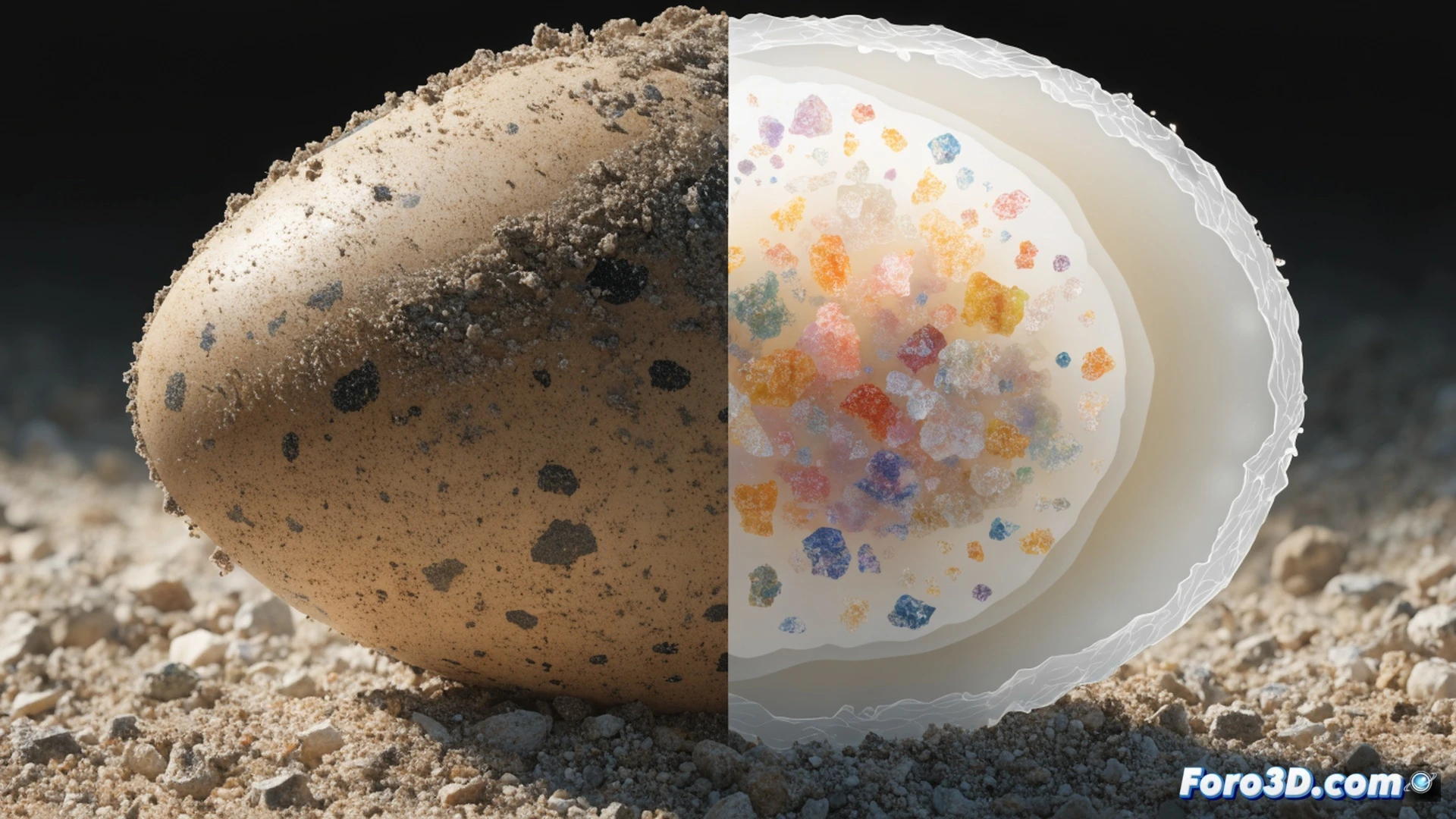
photorealistic wide-angle scene of a cracked open bird egg on dry Spanish farmland soil, inside the shell tiny glowing chemical symbols for DDT and lead floating above the yolk, a dead tree branch in background with a milano kite perched silently watching, soil particles contaminated with metallic dust near the egg, soft golden sunset lighting casting long shadows, hyper-detailed eggshell texture, dust motes suspended in air, cinematic environmental documentary style, subtle dark mood of silent contamination

检测技术揭示数十年的有毒遗产 🧪

研究人员使用气相色谱法和质谱法来识别蛋中的化合物。这些技术能够追踪自20世纪70年代以来被禁用的物质,如滴滴涕(DDT),这些物质在土壤和水中持续存在。结果表明,污染物通过食物链传播,最终沉积在胚胎中。当前的分析精度能够测量极低的浓度,但其存在证实生态系统尚未得到净化。

滴滴涕(DDT):不懂退休的杀虫剂 🐣

看来滴滴涕(DDT)如此喜爱西班牙的田野,以至于拒绝退休。它已被禁用数十年,但依然存在,就像那个总是不请自来参加所有婚礼的邻居。胡兀鹫在不知情的情况下,变成了储存复古化学品的飞行实验室。幸好浓度很低,否则鸢的蛋做成的煎蛋饼尝起来会像20世纪60年代的有机化学。