aeropuertos privatizados: eficiencia de lujo, tarifas de crisis

发布于 2026年06月29日 | 从西班牙语翻译

基础设施私有化,例如机场,被标榜为一种优越的管理模式,但现实却截然不同。当特许经营商庆祝盈利时,用户却通过不断上涨的费用和优先考虑消费而非可及性的服务来承担实际成本。这种模式加剧了不平等,将出行权变成了价格上的特权。
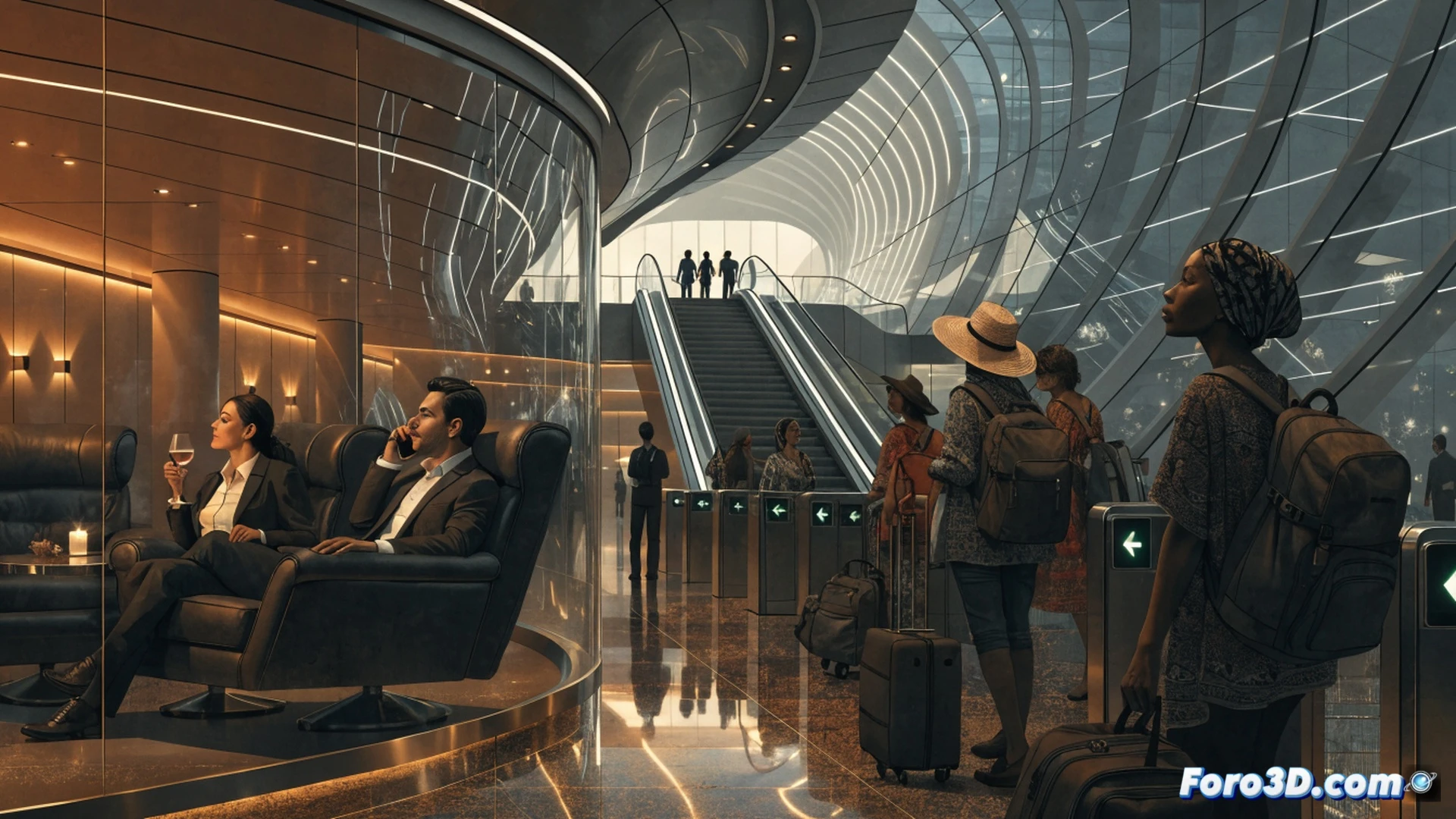
airport terminal during peak hour, passengers checking departure boards showing rising prices while luxury retail stores glow with premium lighting, airline counters with digital rate displays, security checkpoint queues stretching across polished floors, contrast between high-end duty-free shops and crowded waiting areas, cinematic architectural photography, wide-angle lens capturing vast glass ceiling and steel trusses, harsh fluorescent light mixing with warm boutique spotlights, photorealistic interior render, motion blur of walking travelers, reflective surfaces showing distorted figures, ultra-detailed modern airport design

费率控制作为数字化垄断的壁垒 📊

机场流程的数字化使特许经营商能够优化流程并降低运营成本。然而,如果没有有效的费率控制,这些技术改进不会转化为更公平的价格。生物识别系统或自动化值机通常被用来证明新的服务费是合理的。技术解决方案在于透明的成本审计和监管上限,将利润与实际效率挂钩,而不是与费率上涨挂钩。

你为WiFi付更多钱,但至少他们实时开票 😅

有趣的是,私人效率总能找到办法让你在候机室里为呼吸付费。以前你等飞机时看杂志,现在你为给手机充电付费,而特许经营商却吹嘘他们革命性的应用程序。最棒的是,他们告诉你费率上涨是为了给你提供优质体验,就在免费饮用水不再免费的时候。创新万岁。